Zero-Diesel Quarry Corner
Hybrid-electric jaw + grid-tied cone + on-site solar for lighting and conveyors — diesel reserved for peak CSS events only.
Hybrid-electric crushing · IoT liner wear · digital-twin screens · low-noise urban recycling yards — TerraForce sizes circuits for the next decade of quarry and EPC tenders.
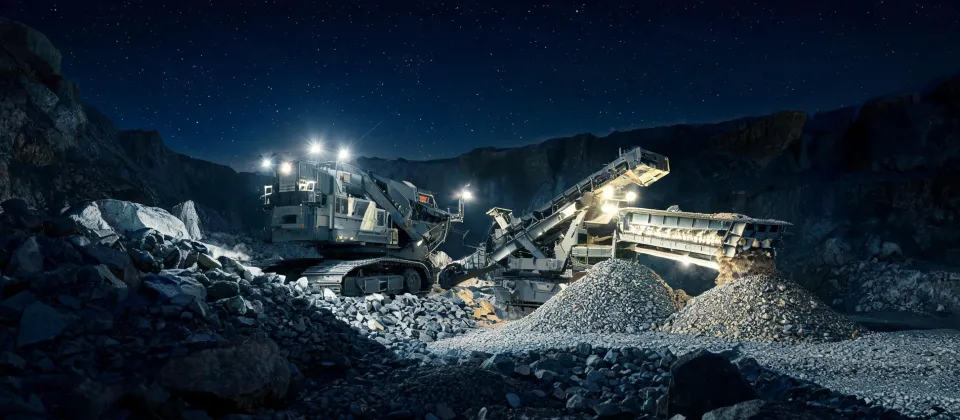
Hybrid-electric jaw + grid-tied cone + on-site solar for lighting and conveyors — diesel reserved for peak CSS events only.
Level-4 haul-truck dump pockets feeding primary jaws with tele-remote inspection of tramp metal events.
Enclosed impact crushers and screened stockpiles meeting ≤ 78 dB at 7 m for night concrete recycling yards.
Corrosion-spec wash plants with hydrocyclones and slurry pumps rated for chloride-laden process water.
Every conveyor, cone crusher and screen deck mirrored for predictive liner and mesh replacement scheduling.
These pilots stay inside crushing and screening duty cycles — fuel, noise, liner hours and tonnage tickets — so equipment managers can compare against their own KPI boards.
Eighteen percent fuel reduction versus diesel-only baseline across intermittent night feed on a 350 t/h limestone circuit.
Citizen noise complaints fell seventy-three percent after enclosing the impact crusher and retuning spray bars on the finishing screen.
Predictive mesh changeouts pulled average deck downtime from six hours to ninety minutes across a wet sand circuit.
Eleven-day commissioning with full ISO 15143-3 telematics map handed to the quarry SCADA team at first saleable ton.
Haul trucks and loaders dominate fleet diesel charts, yet the crushing plant often runs longer continuous hours. When a jaw idles waiting for sticky feed or a cone waits for a blocked chute, fuel and Scope-1 tonnes accumulate without adding saleable product. TerraForce hybrid packages and IoT choke-feed advisories attack those idle minutes first — the same minutes EPC sustainability officers now ask about in tender questionnaires.
Screening equipment is equally strategic: a mis-tensioned deck wastes crusher energy by recirculating oversize. Digital-twin plants catch that recirculation early by comparing expected versus measured amperage on the cone motor, which is why vibrating screen health is part of every TerraForce IoT pack rather than an optional afterthought.
Zero-diesel quarry corners still reserve diesel for peak jaw CSS events unless grid kVA is proven. Autonomous open-pit feed pockets require tele-remote tramp-metal inspection before Level-4 dump cycles are signed off. Low-noise urban recycling yards meeting ≤ 78 dB at 7 m usually need enclosed impact crushers — open jaw primary decks rarely clear night permits. Coastal wash plants demand chloride-rated slurry pumps; standard inland hydrocyclone liners are not quoted for seawater makeup without a corrosion addendum.
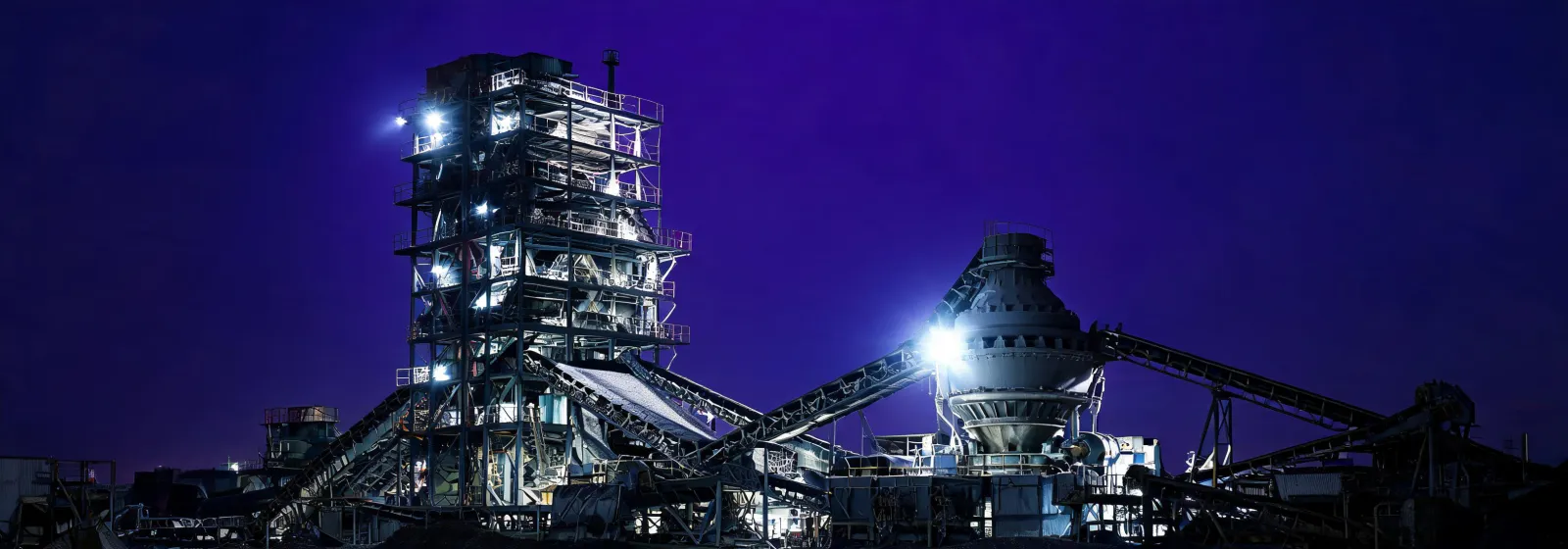
Bring your feed PSD, target gradation and noise or emissions constraints — our innovation desk will draft a circuit concept in five business days.
Talk to the innovation engineering office